How to Use Google Search Console to Boost Your Rankings: A Data-Driven Strategy for 2026
Google Search Console (GSC) is the "Oracle" of SEO. In 2026, it remains the most accurate and valuable tool for understanding how Google’s AI models perceive and rank your website. Unlike third-party tools that estimate traffic, GSC provides data directly from the source. However, most marketers only use a fraction of its potential—checking total clicks and impressions once a month. In this extensive guide, we will move beyond the basics and explore advanced strategies for mining GSC data to find "low-hanging fruit" keywords, fixing complex indexation issues, and using the "Performance" report to guide your entire content strategy. If you want to rank on page one, you must first master the data in your Search Console.
The "Performance" Report: Mining for Gold
- Striking Distance Keywords: Filter queries ranking in positions 11-20 and enrich corresponding pages to push to Page 1.
- Coverage & Indexing Hygiene: Inspect and resolve "Discovered - Currently Not Indexed" crawl budget bottlenecks.
- Click-Through Rate (CTR) Audit: Identify high-impression, low-click URLs to rewrite title tags and meta descriptions.
- Core Web Vitals Monitoring: Track real user performance metrics across mobile and desktop URL groups.
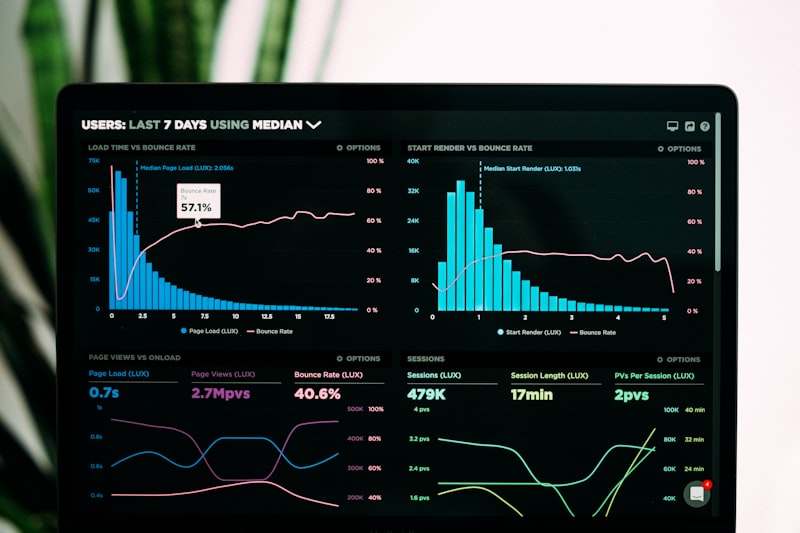
The Performance report is where the real SEO magic happens. By analyzing clicks, impressions, and CTR (Click-Through Rate), you can identify exactly which pages are on the "verge" of success. In 2026, we look for keywords with high impressions but low clicks. This usually means you are ranking on page 2 or at the bottom of page 1. These are your "Quick Wins." By improving the content, adding a few high-quality internal links, or optimizing the meta title for more clicks, you can often push these keywords into the top 3 results where the majority of traffic lives.
Another advanced tactic is "Query Refinement." Look for queries that are driving impressions to a page but aren't explicitly answered in the content. This is a clear signal that Google *wants* to rank you for that topic, but your content isn't quite fulfilling the intent. By adding a new H3 section or a detailed FAQ that addresses that specific query, you can capture that extra traffic without having to build a single new page. This is the most efficient way to grow your organic footprint in 2026.
Analyzing CTR: The Art of the Snippet
In the age of AI Generative Overviews, your "Title" and "Snippet" are more important than ever. If your CTR is below the industry average for your rank, users are preferring your competitors' titles over yours. Use GSC to A/B test your titles. Try using "Power Words," numbers, or brackets to make your result stand out. Remember, SEO isn't just about ranking; it's about *winning the click*. A page ranking at #4 with a 10% CTR is more valuable than a page at #2 with a 2% CTR.
Filtering by Device and Geography
Don't look at aggregate data. Use the GSC filters to break down performance by "Device" and "Country." If your CTR is great on desktop but terrible on mobile, you likely have a mobile UX issue (see our Mobile-First Indexing guide). If you are an Indian business but 50% of your traffic is from the US, you might need to adjust your content to better handle International SEO or lean into that global audience to boost your authority.
Technical Health: Indexing and Core Web Vitals
If Google doesn't index your pages, they don't exist. The "Indexing" report (formerly Coverage) is your technical health dashboard. In 2026, we pay close attention to "Crawled - currently not indexed." This often indicates a "Quality" issue rather than a technical one. Google has seen the page but decided it isn't valuable enough to show to users. To fix this, you must "Upscale" the content—add more data, more original insights, and better internal linking. Simply "requesting indexation" again rarely works unless you've made significant improvements.
The "URL Inspection" Tool for Debugging
Whenever you update a page, use the URL Inspection tool to "Test Live URL." This shows you exactly how Googlebot sees the page *right now*. In 2026, we use this to ensure that all our dynamic JavaScript components are rendering correctly and that our Schema markup is being parsed without errors. If the rendered screenshot shows a blank page or missing content, you have a critical rendering issue that is killing your rankings.
Monitoring Core Web Vitals at Scale
GSC’s Core Web Vitals report provides real-world data from your actual users. This is far more important than a one-off Lighthouse score. In 2026, Google uses "75th percentile" data across a 28-day rolling period. If you see your LCP (loading speed) or CLS (stability) moving into the "Need Improvement" or "Poor" zones, you should expect a corresponding drop in rankings. Proactive monitoring here allows you to catch technical regressions before they impact your bottom line.
The "Links" Report: Understanding Your Digital Reputation
The Links report tells you which sites are linking to you and what anchor text they are using. In 2026, we use this to verify our "Topic Neighborhood." Are the sites linking to us actually relevant to our niche? If you see a lot of links from unrelated foreign sites, you might be the target of a "Negative SEO" attack. Use this data to inform your link outreach strategy—if top-tier sites are already linking to your "Ultimate Guides," create more content in that format to capitalize on your proven link-earning power.
Internal Link Optimization
The "Top linked pages - internal" section is the most underrated part of Search Console. It shows how you are distributing "authority" within your own site. If your most important service page has fewer internal links than an old, irrelevant blog post, you are sending the wrong signals to Google. Use this report to identify "Orphan Pages"—pages with zero internal links—and integrate them back into your site structure to ensure they get crawled and ranked.
Managing Site Transitions and Migration
If you are changing your URL structure or moving to a New Domain, the "Change of Address" tool and the Sitemaps report are non-negotiable. In 2026, a botched migration can destroy years of SEO work. Use GSC to track the "Success Rate" of your redirects and ensure that search engines are discovering the new versions of your pages as quickly as possible.
Future-Proofing with Search Console: AI and Beyond
As we look deeper into 2026, we expect Search Console to introduce more granular "AI Interaction" data—showing how often your content is used as a source for generative answers. To prepare for this, focus on "Structured Clarity." Use clear headers, concise definitions, and structured lists. The easier it is for Google to "extract" an answer from your site, the more prominent your brand will become in the AI-driven search ecosystem of the future.
Conclusion
Google Search Console is not just a reporting tool; it is a roadmap for growth. By systematically analyzing your performance data, fixing indexation barriers, and optimizing your technical vitals, you can turn a struggling website into a search powerhouse. In 2026, the winner is the one who understands their data the best. Don't leave your rankings to chance—dive into your Search Console, find your opportunities, and execute with data-driven precision. Your journey to the top of the SERPs starts with the numbers on your screen. Let's get to work!
For businesses looking to execute tailored growth strategies, collaborating with dedicated specialists—such as our SEO consultant in USA or hiring a top-rated web developer in Jaipur—ensures your digital assets maintain top search performance.
We invite you to reach out for a personalized consultation or an SEO audit. Let's work together to unlock the full potential of your brand.
"In the world of SEO, the only constant is change. Adaptability is the key to longevity."
Key Insights & FAQ
To help you rank in AI search results, here are the core takeaways from this guide:
Q: What are "Quick Win" keywords?
A: Keywords for which your site is currently ranking on Page 2 (positions 11-20). With minor optimizations, these can jump to Page 1.
Q: How do I fix "Discovered - Currently Not Indexed" errors?
A: This usually indicates a crawl budget issue or low-quality content. Improve the content value and ensure your site structure is easy for bots to follow.
Q: Can Search Console track AI-driven traffic?
A: Search Console is beginning to integrate "SGE Impressions," but many AI engine visits appear as "Direct Traffic" in traditional analytics.
If you're looking for professional help with your digital strategy, don't hesitate to contact us today!